
This is Photoshop's version of Lorem Ipsn gravida nibh vel velit auctor aliquet.Aenean sollicitudin, lorem quis bibendum auci. Proin gravida nibh vel veliau ctor aliquenean.

FOLLOW ME ON INSTAGRAM

+01145928421
mymail@gmail.com

December 2025

Home2025

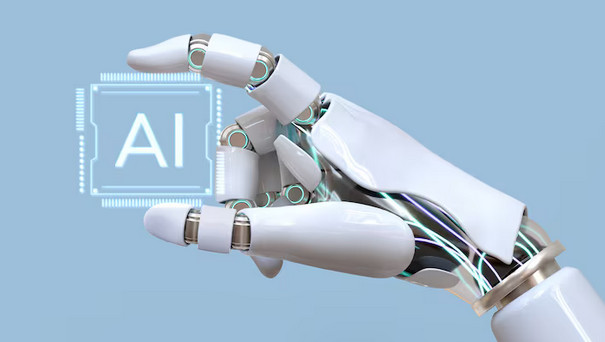
If you've been in business for more than a few years, you've probably noticed something. The tools we use keep getting smarter, but somehow the work keeps piling up. Your team might be using AI to write emails faster, generate reports more quickly, or summarise lengthy documents. These are useful things, no question about it. But here's what's interesting: whilst individual productivity has gone up, many organisations still struggle with the same fundamental problems. Projects still get stuck between departments. Information still lives in silos. The gap between having a good idea and actually delivering it to customers remains frustratingly wide. The reason is fairly straightforward. We've been treating AI like a better version of our existing productivity software, something that helps individuals work faster. That made sense as a starting point, but the real transformation happening now is different. AI

SEO has always been about keeping up with change, and lately that change has been moving at breakneck speed. The rise of AI-driven platforms like ChatGPT, Gemini, Perplexity, Grok, and Claude has shifted the way people search, compare options, and make buying decisions. Instead of typing queries into Google alone, users are increasingly leaning on AI to filter, summarise, and present information in conversational ways. For digital marketers, that shift means one thing, the rules of the game are different now. Ranking in Google still matters, but if your content is not being surfaced by large language models and AI-powered search, you are missing visibility in places where customers are already making decisions. That is why AI-focused SEO is no longer a niche experiment, it is a necessary evolution of search marketing. We have taken a close look at agencies across Australia

Hiring freelancers or contractors can feel like a breath of fresh air. No long onboarding, no mountains of paperwork, and you can often get expert help without blowing the budget. For small business owners and solo operators especially, bringing someone in on a project-by-project basis can make a lot more sense than a full-time hire. But before you dive into a casual working relationship with your next contractor, it's worth slowing down and checking the fine print. Because if there’s one thing the law doesn’t love, it’s murky arrangements. Especially ones where someone might legally be considered an employee, even if you’ve both agreed to call it something else. The difference between an employee and a contractor might seem harmless on the surface, but getting it wrong can open a legal can of worms you really don’t want to deal with.

Show Buttons
Hide Buttons